What to Prepare Before You Apply
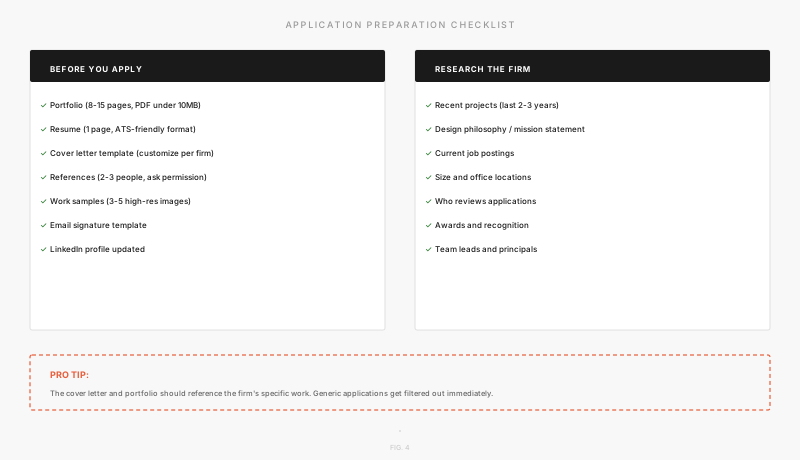
Portfolio
8–15 pages, PDF under 10 MB. Lead with your strongest project. Show process, not just final renders. Every spread should have a purpose. Include site plans, sections, details, and design development sketches. Show that you understand how buildings are built. Customize the portfolio order for each firm. A healthcare-focused firm wants to see your healthcare project; a residential boutique does not care about your civic center.
Resume
One page. ATS-friendly format: no columns, no graphics in the header. List software skills prominently (Rhino, Revit, Grasshopper, Adobe Suite, etc.). Quantify where possible ("managed budget of $150k," "coordinated with 5 subconsultants," "presented to 200+ attendees"). Include summer experiences, competitions, and studio work. Firms want to see depth in your most relevant experiences, not a long list of every job you ever had. For detailed resume guidance, see our Resume Guide.
Cover Letter
Customize the first paragraph for every firm. Reference a specific project or value of theirs. Explain why you want to work there, not just that you do. For detailed guidance, see our Cover Letter Guide.
References
2–3 people who can speak to your work quality and character. Ask permission first. Brief them on which firms you are applying to so their recommendations feel tailored.
Work Samples
Some firms ask for 3–5 high-resolution images separately from the portfolio. Have those ready. Organize them by project with clear captions.
PRO TIP: Create a master portfolio of 20–25 pages, then customize a shorter version for each firm type. A healthcare-focused firm wants to see your healthcare studio project; a residential boutique does not. Spend the time upfront to tailor. It will pay off.